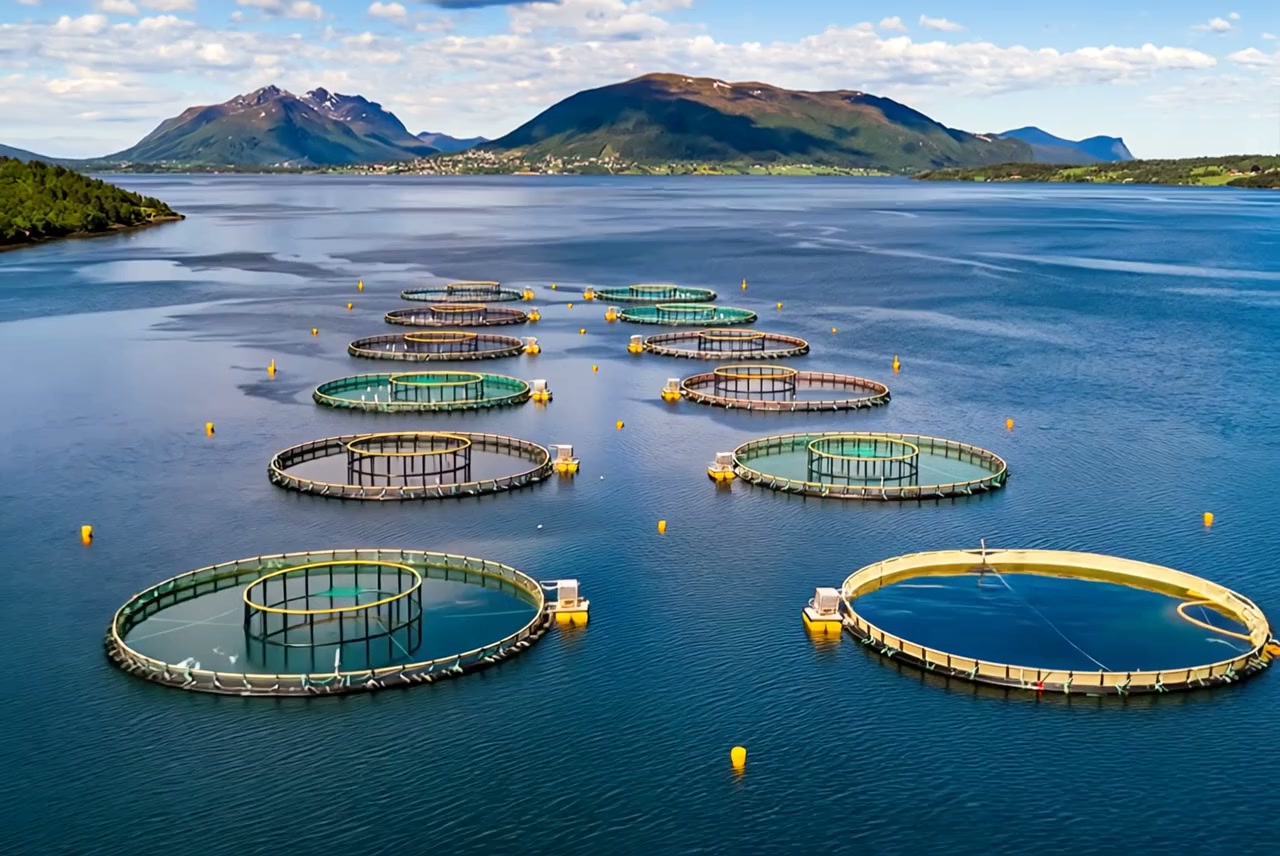
Source: Singapore Aquaculture Technologies product validation report. The three-month evaluation used a recirculating aquaculture system, with approximately 10,000 Asian seabass per tank and one tank per treatment.
Feed conversion: 1.7 for coated feed versus 2.2 for the uncoated control, measured in kilograms of feed per kilogram of weight gained—a 22.7% reduction, rounded to one decimal place.
Harvested-fish taste: 9.7/10 for coated feed versus 6.7/10 for the uncoated control. Five fish from each tank were assessed blind by ten experienced evaluators.
Removals: 81 for coated feed versus 272 for the uncoated control. Health-related removals include unfit or moribund fish and mortalities.
Source: Fresh Fish Basket three-month tilapia field evaluation.
Feed conversion: 1.5 for coated feed versus 2.1 for the uncoated control, measured in kilograms of feed per kilogram of weight gained—a 28.6% reduction, rounded to one decimal place.
Harvested-fish taste: 9.2/10 for coated feed versus 6.8/10 for the uncoated control.
Removals: 57 for coated feed versus 212 for the uncoated control, as reported during the evaluation.
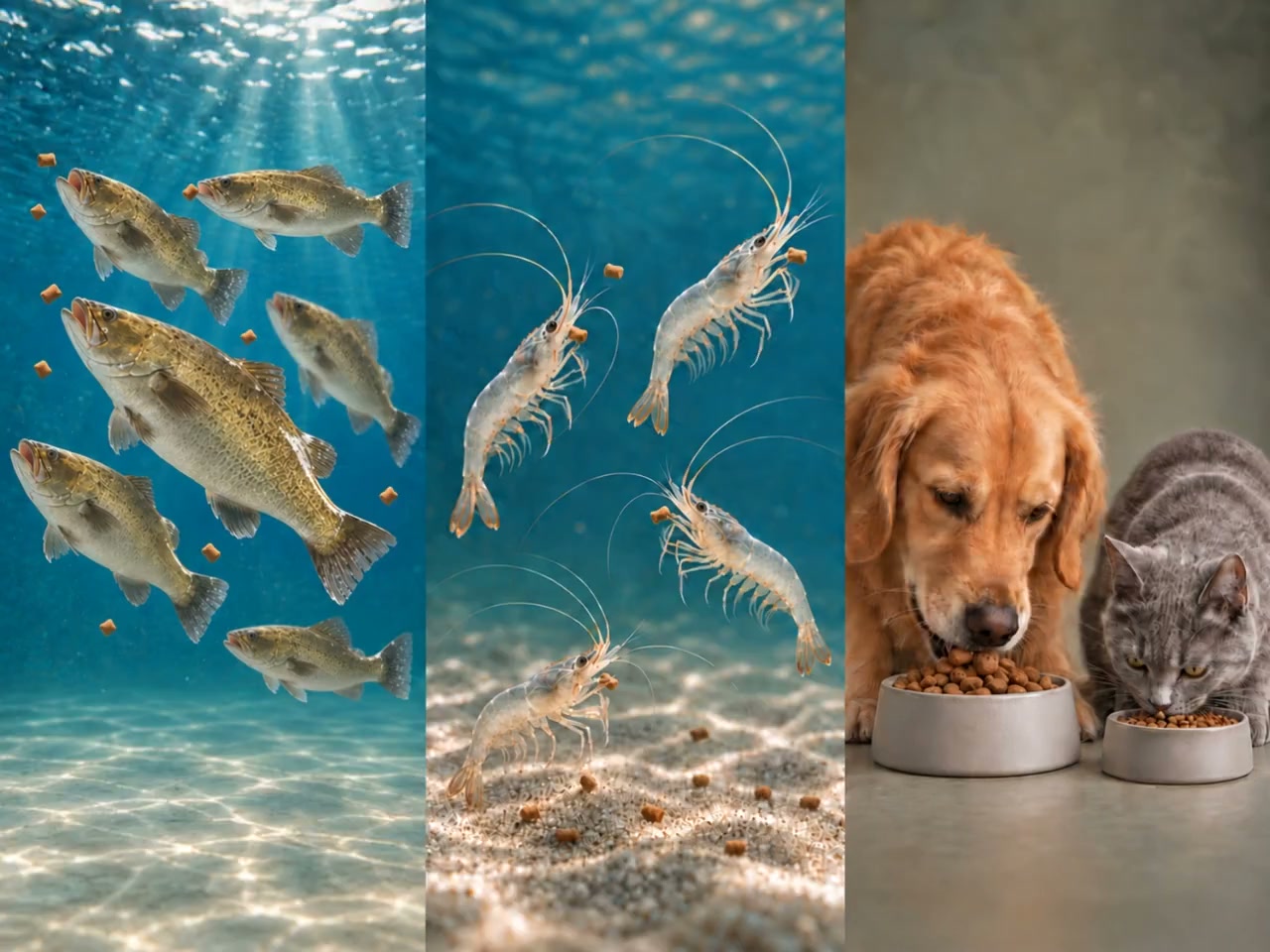
Beyond fish.
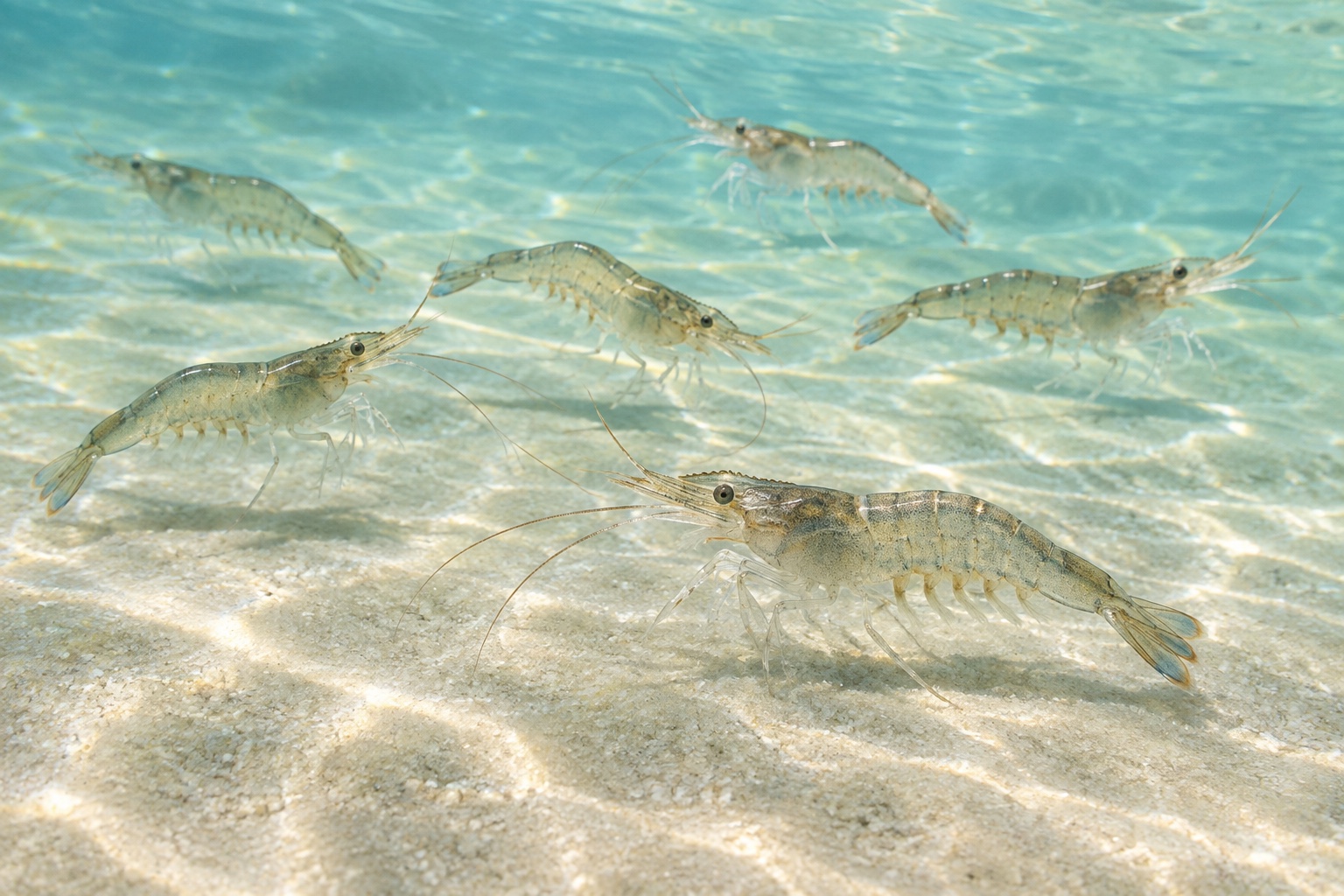
Shrimp
Water stability, nutrient retention and feed acceptance, considered together for the species and farming conditions.
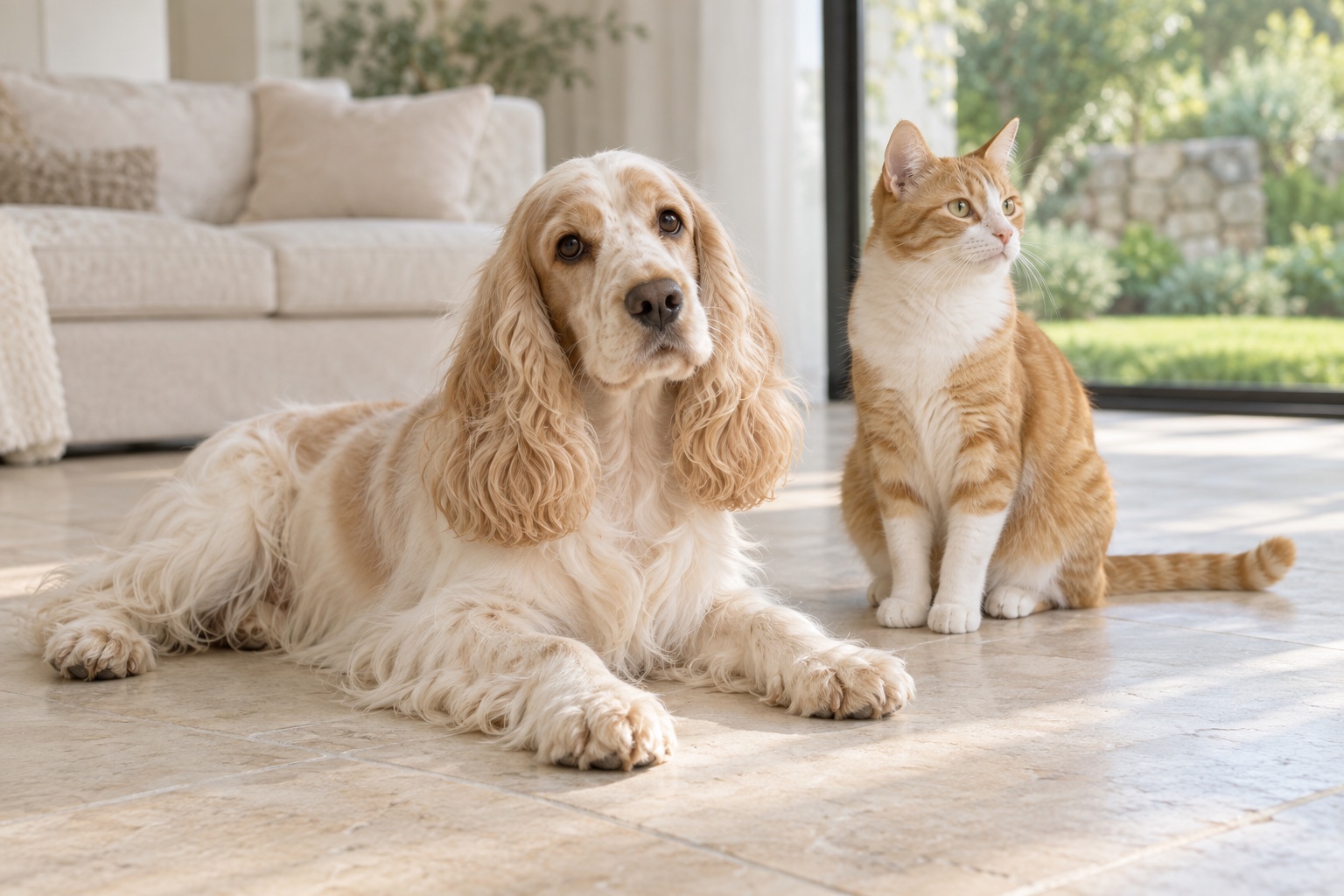
Pet foods
Nutritional ambition, palatability and texture, brought together for the animal and the recipe.
Why partner with us?
We createand validate
We develop breakthroughformulations and validatethe results that matterto your business.
We supportproduction
We optimise formulationsfor your production needsand support your teamthrough scale-up.
We supplykey ingredients
We supply hard-to-produceingredients that make yourformulation possible, so youcan focus on your business.
We keeprefining
We refine formulationsover time, sharing updatesand improved ingredientsas your needs evolve.
An existing formulation or a new challenge. Let’s explore what comes next.
Yes. Pellet size, existing coatings, handling and feeding conditions help determine application fit. Share the feed format and the result you want to improve.
How would we evaluate it in our setting?+
We agree on a relevant baseline and the outcomes to measure with your team. Species, life stage and production conditions shape the evaluation; the field examples on this page do not predict the result in every setting.
What do you need for a first conversation?+
A high-level description of the animal, feed or product format, production requirements and intended improvement. You do not need a finished development brief or to disclose proprietary formulation details in the initial enquiry.

 Singapore Aquaculture Technologies